During the colder months the bees rely on honey stores and or feeds given by the beekeepers. Entrances are reduced in size and covered with mouse guards. Beehives are sometimes given an extra layer of insulation.
May is often referred to the swarming season as most swarms take place during this month.
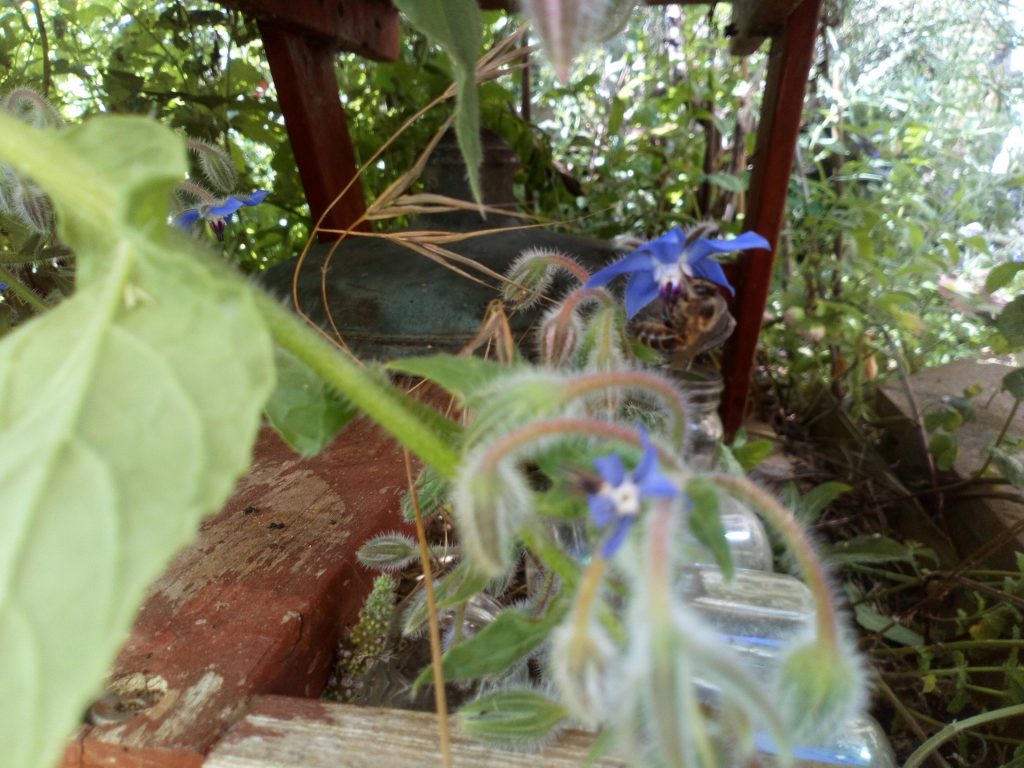
The June gap refers to the month when there is often a sudden reduction in the amount of pollen and nectar available. Although not their favourite, borage is a particularly useful plant to honey bees during this time as amazingly, borage only takes 2 minutes to replenish with nectar (other plants may take as long as 24 hours).
Wasps on warm sunny days in late summer can pose a threat to the colony.
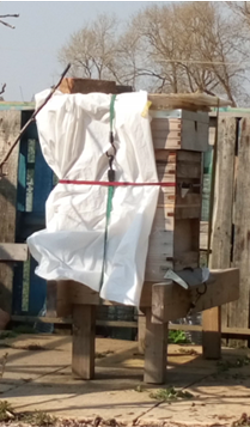
National beehive with winter protection.
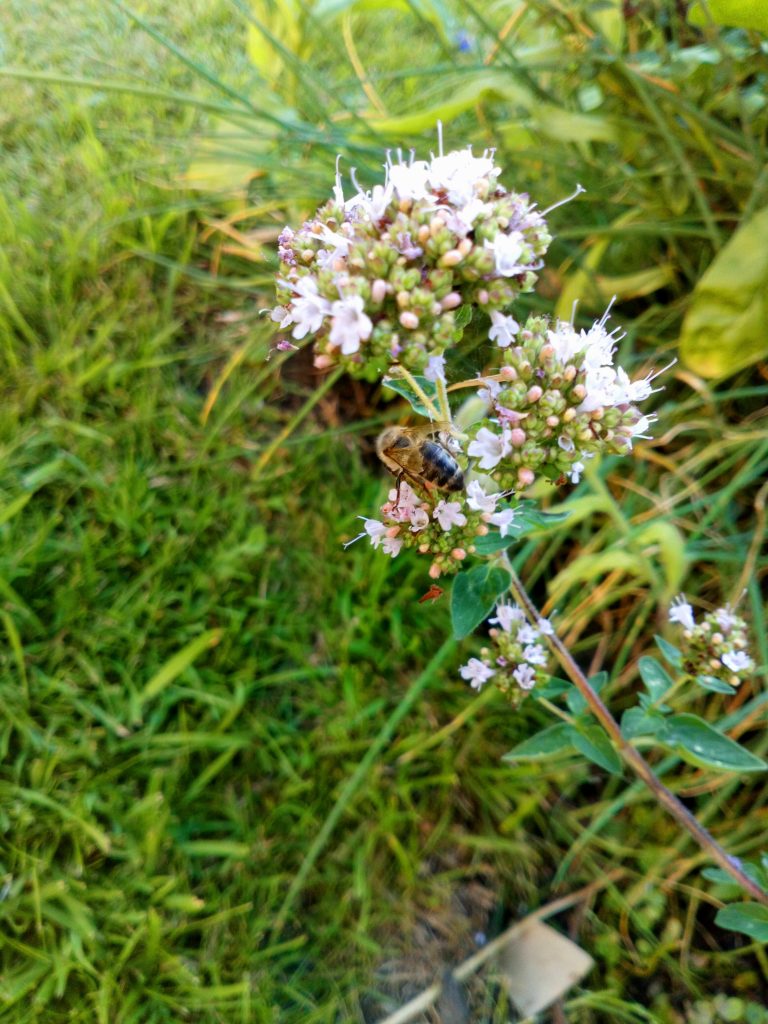
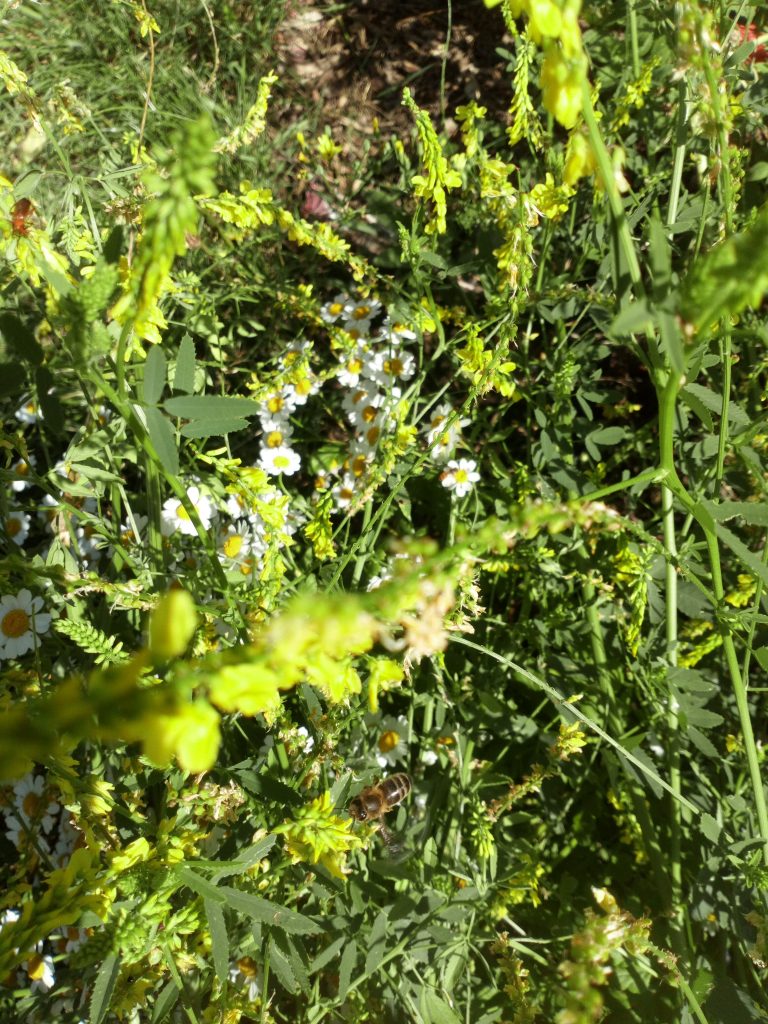
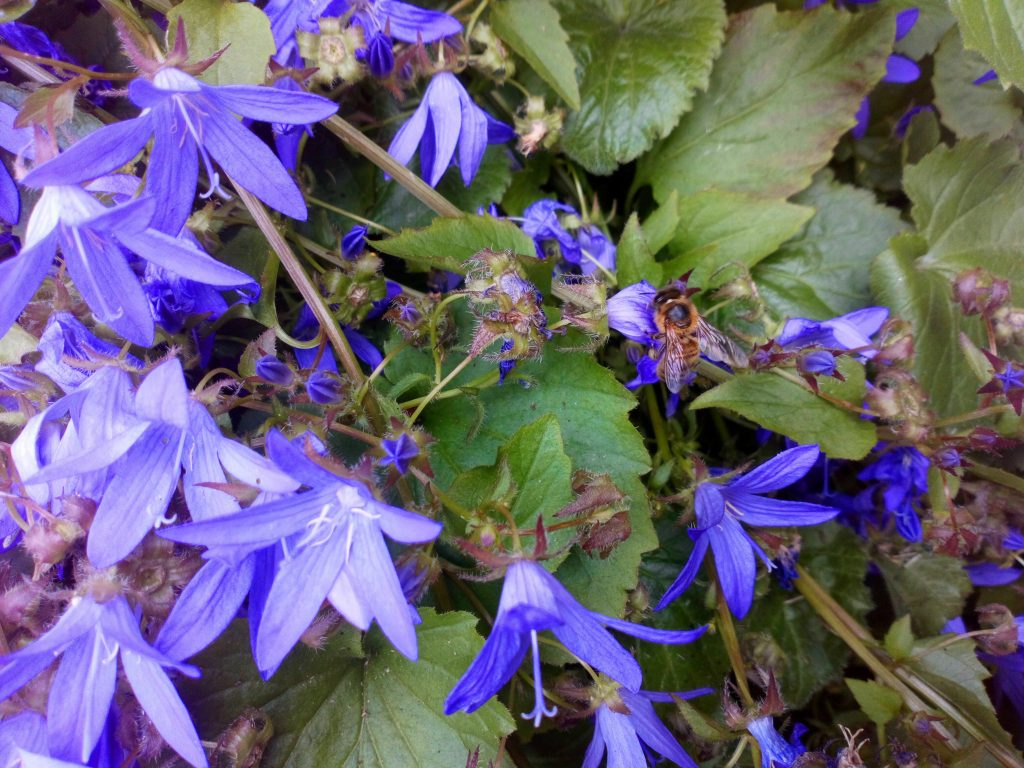
Flowering plants that honey bees like
- Early winter to mid spring: Hellebores.
- Mid winter to beginning of spring: Japanese Mahonia.
- Early spring: Crocus, snowdrops, daffodils, fruit tree flowers: apple, pear, cherry.
- Late spring: Russian comfrey.
- Late winter/early spring: Willow catkins.
- Late spring to late summer: Catmint.
- Middle of summer to early autumn: Sunflowers.
- Late summer to autumn: Michaelmas daisies, Heathers.
If you’re thinking of growing plants to attract honey bees into your garden, planting different varieties may extend the growing season.